

Introduction
Graphic design is one of the most in-demand skills in today’s digital world. From social media posts to websites, branding, and marketing materials, design plays a crucial role in communication. If you are just starting out, learning the right graphic design tips for beginners can save you time, effort, and frustration.
Many beginners feel overwhelmed when they see professional designs. However, the truth is that every expert started as a beginner. With the right guidance, tools, and consistent practice, anyone can develop strong design skills. You do not need expensive software or years of experience to get started.
In this article, you will learn practical and easy-to-follow graphic design tips for beginners that will help you build a solid foundation. Whether you want to become a freelancer, improve your business branding, or simply explore creativity, this guide will walk you through everything step by step.
By the end of this article, you will have a clear understanding of design principles, tools, mistakes to avoid, and expert strategies to improve your work. Let’s dive into the world of graphic design and start building your skills from scratch.
What is Graphic Design?
Graphic design is the art of combining text, images, colors, and layout to communicate a message visually. It is used in branding, advertising, websites, social media, and many other areas.
At its core, graphic design is about solving problems visually. Designers create visuals that attract attention, deliver information, and influence decisions. For beginners, understanding this concept is essential before applying advanced techniques.
Some common types of graphic design include:
- Social media design
- Logo and branding design
- Website and UI design
- Print design (flyers, posters, brochures)
- Advertising design
Learning graphic design tips for beginners helps you understand how these elements work together. Instead of randomly placing text and images, you learn how to create balanced and professional designs.
Why is Graphic Design Important?
Graphic design plays a vital role in both personal and professional environments. It helps businesses communicate effectively and individuals express creativity.
Here are some key reasons why it matters:
- It improves brand identity and recognition
- It makes content more engaging and visually appealing
- It helps communicate complex ideas easily
- It increases user engagement and conversions
- It builds trust and professionalism
For beginners, learning graphic design tips for beginners can open many opportunities. You can start freelancing, work with clients, or even build your own brand.
Moreover, good design creates a strong first impression. Whether it is a website or a social media post, users judge quality within seconds. That is why learning design basics is so important.
Detailed Step-by-Step Guide
Step 1: Understand Basic Design Principles
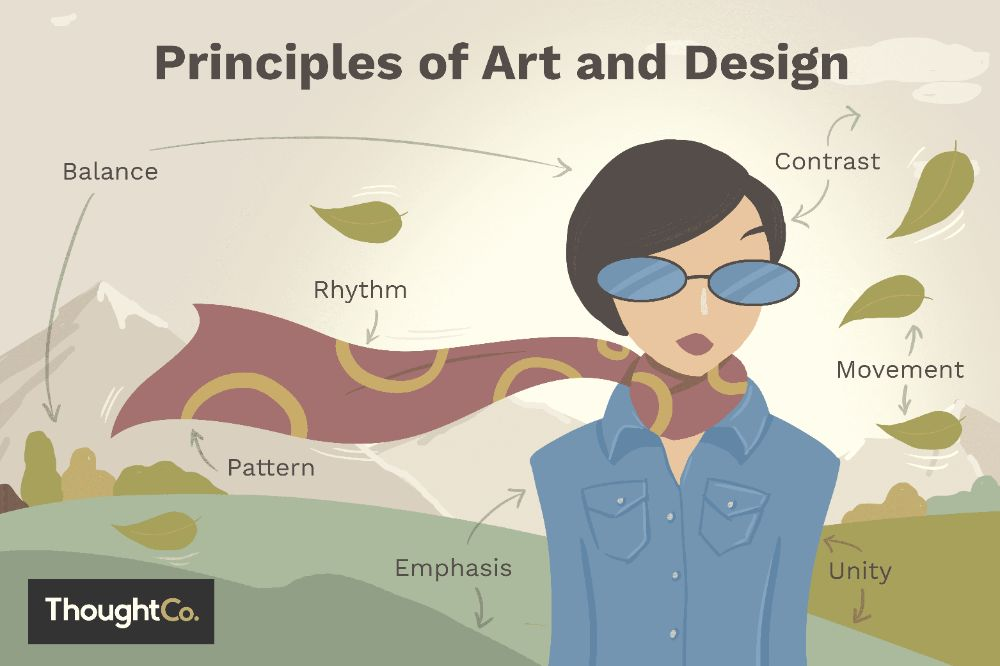
Before using any tools, you need to understand the fundamentals. These include:
- Alignment
- Contrast
- Hierarchy
- Balance
- White space
For example, proper alignment makes your design look clean, while contrast helps highlight important elements. These are essential graphic design tips for beginners.
Step 2: Learn Color Theory
Colors have a strong impact on emotions and perception. Beginners should learn:
- Color combinations
- Warm vs cool colors
- Complementary colors
- Color psychology
Using the right colors can make your design attractive and effective. Avoid using too many colors in one design.
Step 3: Choose the Right Fonts
Typography is a key part of design. Beginners often make mistakes by using too many fonts.
Follow these tips:
- Use 1–2 fonts per design
- Choose readable fonts
- Maintain proper spacing
- Use hierarchy (headings, subheadings, body text)
Good typography improves readability and professionalism.
Step 4: Use Simple Layouts
Simplicity is powerful. Many beginners try to add too many elements, which makes the design messy.
Instead:
- Keep layouts clean
- Use grids
- Maintain spacing
- Focus on one main message
Simple designs often look more professional.
Step 5: Practice with Design Tools
Start using beginner-friendly tools such as:
- Canva
- Photoshop
- Illustrator
- Figma
You do not need to master all tools at once. Focus on one and practice regularly.
Step 6: Study Existing Designs
Look at professional designs and analyze them. Ask yourself:
- Why does this design look good?
- How are colors used?
- What fonts are used?
This is one of the most effective graphic design tips for beginners.
Step 7: Practice Daily
Consistency is key. Try to create at least one design every day. It can be:
- Social media posts
- Posters
- Logos
Practice helps you improve faster.
Step 8: Get Feedback
Share your work with others and ask for feedback. This helps you identify mistakes and improve.
Benefits of Graphic Design Tips for Beginners
- Helps build a strong design foundation
- Improves creativity and visual thinking
- Increases job and freelance opportunities
- Enhances communication skills
- Builds confidence in creating designs
- Saves time by avoiding common mistakes
- Helps create professional-quality work
Disadvantages / Risks
- Learning can feel overwhelming at first
- Requires consistent practice and patience
- Too many tools can confuse beginners
- Mistakes are common in early stages
- Can be time-consuming to master
Common Mistakes to Avoid
Beginners often make similar mistakes. Avoiding them will improve your designs quickly.
One common mistake is using too many fonts. This makes the design look unprofessional. Stick to simple combinations.
Another mistake is poor color selection. Using random colors without understanding harmony can ruin your design.
Ignoring spacing is also a big issue. Proper white space makes designs clean and readable.
Many beginners also copy designs without understanding them. Instead, learn the logic behind good designs.
Finally, overcomplicating designs is a common problem. Simplicity always works better, especially for beginners.
FAQs
1. How can I start graphic design as a beginner?
Start by learning basic principles like color, typography, and layout. Then practice using simple tools like Canva.
2. Do I need expensive software to learn design?
No, beginners can start with free tools. Many professional results can be achieved without expensive software.
3. How long does it take to learn graphic design?
It depends on your practice. With consistent effort, you can learn basics in a few months.
4. Can I earn money with graphic design?
Yes, many beginners start freelancing or selling designs online after learning basic skills.
5. What are the best graphic design tips for beginners?
Focus on simplicity, practice daily, learn fundamentals, and study good designs.
6. Is graphic design difficult to learn?
It can be challenging at first, but with practice and patience, it becomes easier over time.
Expert Tips & Bonus Points
To take your skills to the next level, follow these expert tips.
Always start with a clear goal before designing. Know what message you want to communicate.
Use inspiration wisely. Do not copy designs, but learn from them.
Keep your designs consistent. Use the same colors, fonts, and style when working on a project.
Learn basic branding concepts. This helps you create professional designs for businesses.
Stay updated with design trends, but do not follow them blindly. Focus on timeless design principles.
Create a portfolio to showcase your work. This is important if you want to attract clients.
Finally, be patient. Improvement takes time, but consistent effort will bring results.
Conclusion
Graphic design is a valuable skill that anyone can learn with the right approach. By following these graphic design tips for beginners, you can build a strong foundation and improve your skills step by step.
At the beginning, it is normal to feel confused or overwhelmed. However, with practice and persistence, you will start to see improvement. Focus on learning the basics, experimenting with tools, and creating designs regularly.
Remember that design is not just about making things look good. It is about communication and problem-solving. Every design you create should have a purpose and message.
Avoid common mistakes, keep your designs simple, and always look for ways to improve. Learning from feedback and analyzing professional work will help you grow faster.
Most importantly, enjoy the process. Graphic design is a creative field, and your unique ideas matter. With dedication and consistent effort, you can turn your skills into a valuable asset for your career or business.
