

Introduction
Logo design is one of the most important elements of brand identity, yet many beginners underestimate its impact. A logo is not just a visual symbol; it represents the entire personality, values, and professionalism of a brand. When done correctly, it builds trust, improves recognition, and creates a lasting impression on customers. However, beginners often make critical errors that reduce the effectiveness of their designs.
Understanding logo design mistakes beginners should avoid is essential for anyone starting in graphic design or branding. A poorly designed logo can confuse audiences, weaken brand identity, and even damage credibility. On the other hand, a well-crafted logo communicates clarity, simplicity, and purpose.
In today’s competitive digital world, businesses need strong visual branding more than ever. Whether you are designing for a client or your own business, avoiding common mistakes will help you create meaningful and impactful logos. This article will guide you through the most common pitfalls, explain why they happen, and show you how to avoid them with practical tips and professional strategies.
By the end, you will have a clear understanding of how to design logos that are simple, memorable, and effective while avoiding the most common beginner errors that hold designers back.
What is Logo Design?
Logo design is the process of creating a unique visual symbol that represents a brand, company, product, or service. It combines typography, symbols, colors, and shapes to form a recognizable identity that communicates the essence of the brand.
A logo is not just decoration. It is a strategic tool used in marketing and branding. It helps customers identify a business instantly and differentiate it from competitors. Strong logo design focuses on clarity, simplicity, and memorability.
When discussing logo design mistakes beginners should avoid, it is important to understand that logo design is both an art and a science. It requires creativity, research, and strategic thinking. A successful logo is not created randomly; it is built on purpose and consistency.
Why is Logo Design Important?
Logo design plays a crucial role in shaping how a brand is perceived. It is often the first interaction a customer has with a business, making it a powerful branding element.
A strong logo helps in:
- Creating brand recognition
- Building trust and professionalism
- Differentiating from competitors
- Enhancing marketing efforts
- Supporting brand consistency across platforms
Many beginners ignore the importance of strategy and focus only on visuals. This leads to logo design mistakes beginners should avoid, such as overcomplication or poor color choices. A well-designed logo helps businesses communicate their message instantly without words.
In short, a logo is the foundation of brand identity, and its importance cannot be underestimated in any industry.
Detailed Step-by-Step Guide to Better Logo Design
Step 1: Research the Brand
Before designing anything, understand the brand’s values, audience, and industry. Research competitors to identify trends and gaps.
Step 2: Sketch Ideas
Start with rough sketches instead of jumping directly into digital tools. This allows creative exploration without limitations.
Step 3: Choose the Right Typography
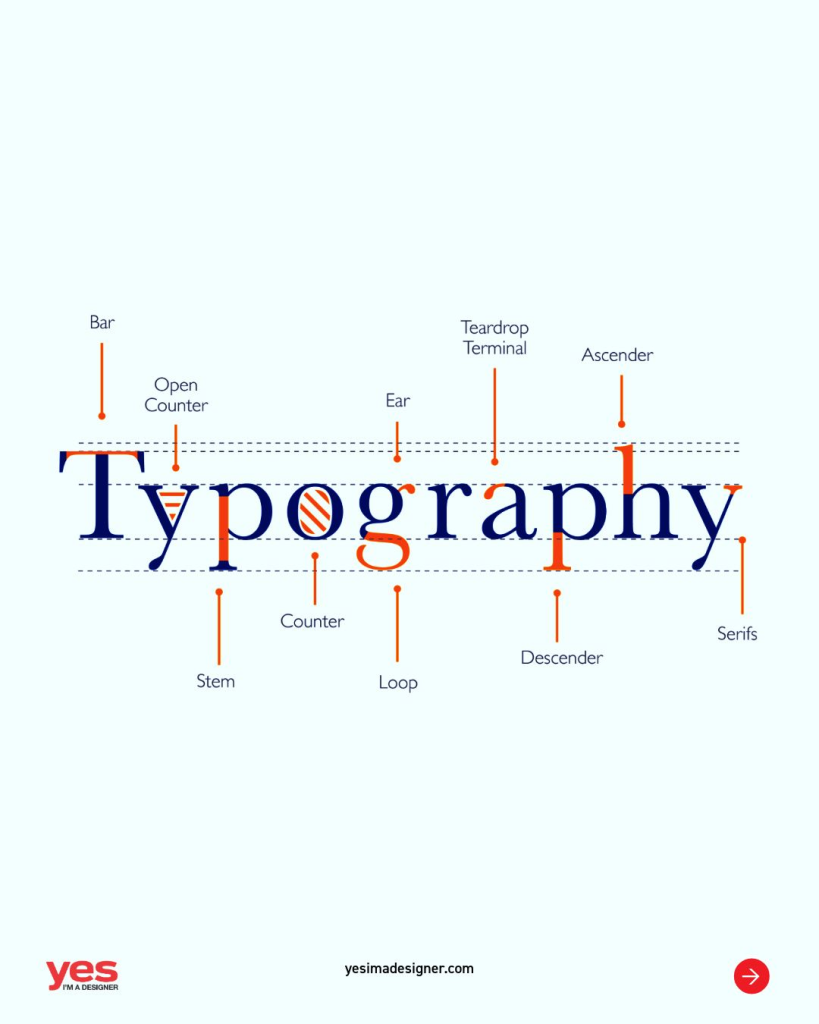
Typography plays a major role in logo identity. Select fonts that match the brand personality.
Step 4: Select Colors Wisely
Colors influence emotions. Use a limited color palette that reflects the brand message.
Step 5: Create Simple Shapes
Simplicity is key in professional logo design. Avoid unnecessary elements.
Step 6: Digitalize the Design
Use design software to refine your sketch and create a clean vector version.
Step 7: Test Across Platforms
Ensure the logo looks good on websites, social media, packaging, and print materials.
Step 8: Get Feedback
Feedback helps identify flaws and improve the design before final approval.
Following these steps helps reduce logo design mistakes beginners should avoid and improves overall design quality.
Benefits of Good Logo Design
- Improves brand recognition
- Builds customer trust
- Enhances professional image
- Supports marketing campaigns
- Creates long-term brand value
- Makes business stand out in competition
A well-designed logo becomes a long-term asset for any business. Avoiding logo design mistakes beginners should avoid ensures these benefits are fully achieved.
Disadvantages / Risks of Poor Logo Design
- Weak brand identity
- Confusion among customers
- Lack of professionalism
- Reduced marketing effectiveness
- Difficulties in brand recall
- Negative first impression
Poor design choices often come from ignoring basic principles, which leads to common logo design mistakes beginners should avoid. These mistakes can cost businesses both credibility and customers.
Common Logo Design Mistakes Beginners Should Avoid
One of the most important areas in design is understanding logo design mistakes beginners should avoid. These errors can significantly reduce the impact of a logo.
1. Overcomplicating the Design
Too many elements make the logo confusing and hard to recognize.
2. Using Too Many Colors
Excessive colors reduce visual harmony and professionalism.
3. Poor Font Selection
Fonts that do not match the brand tone create inconsistency.
4. Copying Other Logos
Lack of originality damages brand identity and credibility.
5. Ignoring Scalability
A logo must look good in all sizes, from business cards to billboards.
6. Following Trends Blindly
Trendy designs become outdated quickly and lose long-term value.
7. Lack of Concept
A logo without meaning fails to communicate the brand message.
8. Poor Spacing and Alignment
Improper spacing affects visual balance and readability.
Avoiding these logo design mistakes beginners should avoid ensures a strong and professional identity.
FAQs About Logo Design
1. What are the most common logo design mistakes beginners make?
Beginners often overcomplicate designs, misuse colors, and choose inappropriate fonts, which weakens the overall branding.
2. Why is simplicity important in logo design?
Simplicity makes logos easier to recognize, remember, and apply across different platforms.
3. How many colors should a logo have?
Ideally, a logo should have 1 to 3 colors for better clarity and consistency.
4. Can I design a logo without professional software?
Yes, but professional tools provide better precision and scalability for high-quality results.
5. How do I know if my logo is effective?
An effective logo is simple, memorable, scalable, and aligned with the brand message.
6. Why should beginners avoid copying other logos?
Copying reduces originality and can lead to legal issues as well as loss of brand trust.
Expert Tips & Bonus Points
- Always design in vector format for scalability
- Focus on timeless design instead of trends
- Keep your concept meaningful and relevant
- Test your logo in black and white first
- Maintain balance between text and symbol
- Study successful brand logos for inspiration
- Keep revisions minimal but meaningful
These expert insights help reduce logo design mistakes beginners should avoid and improve overall design quality significantly.
Conclusion
Logo design is a powerful skill that requires both creativity and strategic thinking. Beginners often struggle because they overlook fundamental principles, leading to common logo design mistakes beginners should avoid. However, with the right approach, these mistakes can be easily prevented.
A strong logo is simple, memorable, and meaningful. It communicates a brand’s identity in a clear and professional way. By focusing on research, simplicity, and consistency, designers can create logos that stand out in any industry.
Avoiding errors such as overcomplication, poor typography, and lack of concept ensures long-term success in branding. Whether you are designing for clients or personal projects, mastering these fundamentals will help you grow as a professional designer.
In the end, great logo design is not about adding more elements but about removing unnecessary ones. When you understand and avoid these common mistakes, you move one step closer to creating powerful and timeless brand identities.
