

Introduction
Color plays a powerful role in design. Whether you are creating a website, logo, social media post, or marketing material, the right color choices can make your work stand out instantly. For beginners and intermediate designers, understanding how to combine colors effectively can feel overwhelming at first. However, with the right approach and knowledge, anyone can create visually appealing and professional designs.
Color combination tips for creative designs are not just about picking colors that look good together. They involve understanding color theory, audience psychology, brand identity, and visual balance. When used correctly, colors can influence emotions, improve readability, and enhance user experience. On the other hand, poor color choices can confuse viewers and reduce the impact of your design.
In this article, you will learn everything you need to know about color combination tips for creative designs. From basic concepts to advanced techniques, this guide will help you confidently choose and apply colors in your projects. Whether you are designing for digital or print, these tips will help you create designs that are both attractive and effective.
What is Color Combination Tips for Creative Designs?
Color combination tips for creative designs refer to the principles and techniques used to select and combine colors in a visually pleasing and meaningful way. These tips are based on color theory, which explains how colors interact with each other and how they are perceived by the human eye.
In simple terms, it is the art of choosing colors that work well together. This includes selecting primary, secondary, and accent colors that create harmony and balance in your design. It also involves understanding how different colors evoke different emotions and reactions.
For example, blue often represents trust and calmness, while red can evoke energy and urgency. By combining these colors strategically, designers can communicate specific messages and create desired effects.
Color combination tips for creative designs also include using tools like color wheels, palettes, and contrast techniques. These tools help designers create combinations such as complementary, analogous, and triadic color schemes.
Ultimately, mastering color combinations allows you to create designs that are visually appealing, easy to understand, and effective in delivering your message.
Why is Color Combination Tips for Creative Designs Important?
Understanding color combination tips for creative designs is essential for anyone involved in visual creation. Colors are often the first thing people notice, and they can significantly influence how your design is perceived.
First, colors help in creating a strong visual identity. Brands use specific color combinations to become recognizable and memorable. For example, consistent color usage builds trust and familiarity among users.
Second, proper color combinations improve readability and usability. In web design, using the right contrast between text and background ensures that content is easy to read. Poor color choices can strain the eyes and drive users away.
Another important reason is emotional impact. Colors can trigger feelings and influence decisions. For instance, warm colors like orange and yellow can create excitement, while cool colors like green and blue can provide a calming effect.
Additionally, good color combinations enhance professionalism. Designs that follow proper color principles look polished and well-thought-out. This is especially important for businesses that want to maintain a strong brand image.
Finally, using effective color combinations can increase engagement. Whether it is a social media post or an advertisement, visually appealing designs attract more attention and interaction.
Detailed Step-by-Step Guide
Understand the Color Wheel
The color wheel is the foundation of all color combination tips for creative designs. It shows the relationship between primary, secondary, and tertiary colors.
Primary colors include red, blue, and yellow. Secondary colors are created by mixing primary colors, such as green, orange, and purple. Tertiary colors are combinations of primary and secondary colors.
By studying the color wheel, you can easily identify which colors work well together and create balanced designs.
Choose a Color Scheme
Selecting the right color scheme is crucial. Some popular schemes include:
- Complementary colors: Opposite colors on the wheel, such as blue and orange
- Analogous colors: Colors next to each other, such as green, blue, and teal
- Triadic colors: Three evenly spaced colors, such as red, yellow, and blue
Each scheme creates a different visual effect, so choose one that matches your design goal.
Limit Your Color Palette
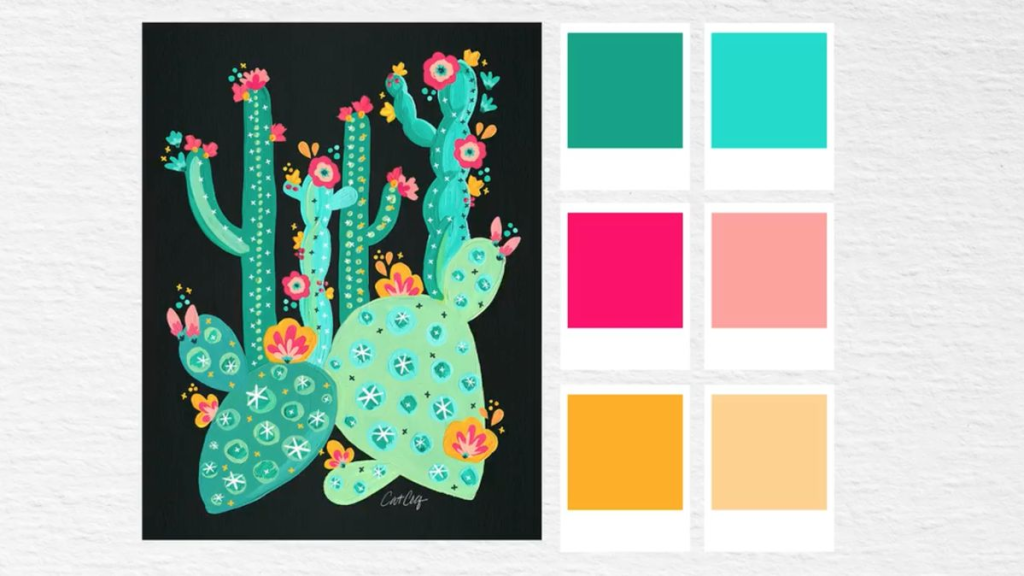
Using too many colors can make your design look messy. A good rule is to stick to 2–4 main colors. This keeps your design clean and easy to understand.
You can use one dominant color, one secondary color, and one accent color for highlights.
Focus on Contrast
Contrast is essential for readability and visual interest. Make sure there is enough difference between text and background colors.
For example, dark text on a light background is easier to read than light text on a light background. High contrast also helps important elements stand out.
Consider Color Psychology
Different colors evoke different emotions. When applying color combination tips for creative designs, think about the message you want to convey.
- Blue: Trust and professionalism
- Red: Energy and urgency
- Green: Growth and nature
- Yellow: Happiness and positivity
Choose colors that align with your brand or purpose.
Test Your Colors
Before finalizing your design, test your color combinations on different screens and devices. Colors may appear differently depending on brightness and resolution.
You can also ask for feedback from others to ensure your design looks appealing and effective.
Benefits of Color Combination Tips for Creative Designs
- Improves visual appeal and attractiveness
- Enhances brand recognition and identity
- Increases user engagement and interaction
- Makes content easier to read and understand
- Helps communicate emotions and messages effectively
- Creates a professional and polished look
- Supports better user experience in digital designs
Disadvantages / Risks
- Overuse of colors can create clutter and confusion
- Poor contrast can reduce readability
- Wrong color choices may send incorrect messages
- Inconsistent color usage can weaken brand identity
- Ignoring accessibility can exclude some users
- Trends may change, making designs look outdated
Common Mistakes to Avoid
One common mistake is using too many colors. Beginners often try to include multiple colors, which results in a chaotic design. Instead, focus on a limited palette.
Another mistake is ignoring contrast. Without proper contrast, text becomes hard to read, and important elements may not stand out.
Many designers also overlook color psychology. Choosing colors without considering their meaning can lead to ineffective communication.
Inconsistent color usage is another issue. Using different shades randomly can make your design look unprofessional. Stick to a consistent palette throughout your project.
Lastly, not testing colors on different devices can lead to unexpected results. Always preview your design to ensure it looks good everywhere.
FAQs
What are the best color combinations for beginners?
Beginners can start with simple combinations like blue and white, black and yellow, or green and beige. These are easy to manage and visually pleasing.
How many colors should I use in a design?
It is recommended to use 2–4 colors. This helps maintain balance and avoids clutter.
What is the most important rule in color combinations?
The most important rule is maintaining balance and contrast. Your design should be easy to read and visually appealing.
Can I use bright colors in professional designs?
Yes, but use them carefully. Bright colors work well as accents but should not overpower the design.
How do I choose colors for branding?
Choose colors that reflect your brand values and target audience. Consistency is key in branding.
Are color trends important?
Trends can be useful, but it is better to focus on timeless color combinations that remain effective over time.
Expert Tips & Bonus Points
Start with a neutral base and add accent colors for highlights. This approach keeps your design clean and modern.
Use online color palette tools to experiment with different combinations. These tools can save time and inspire creativity.
Pay attention to accessibility. Ensure your color choices are readable for people with visual impairments.
Keep learning and practicing. The more you experiment with color combination tips for creative designs, the better you will become.
Observe successful designs around you. Analyze how colors are used in websites, ads, and branding materials.
Always keep your target audience in mind. Different audiences may respond differently to colors.
Conclusion
Color is one of the most powerful elements in design. By understanding and applying color combination tips for creative designs, you can transform simple ideas into visually stunning creations. From choosing the right color schemes to maintaining contrast and balance, every step plays a crucial role in the final outcome.
For beginners and intermediate designers, mastering color combinations may take time, but it is a skill worth developing. With practice and experimentation, you will gain confidence in selecting colors that not only look good but also communicate effectively.
Remember, simplicity and consistency are key. Avoid overcomplicating your designs with too many colors, and focus on creating harmony. Always consider your audience and the message you want to convey.
By following the tips and techniques shared in this guide, you can create designs that are professional, engaging, and impactful. Whether you are working on digital projects or print materials, strong color combinations will always set your work apart.
