

Introduction
In today’s digital world, creating eye-catching content is more important than ever. Social media platforms are filled with endless posts, videos, and graphics competing for attention. That is why understanding layout design tips for social media creatives can make a huge difference in how your content performs. A well-structured layout not only grabs attention but also helps deliver your message clearly and effectively.
For beginners and intermediate designers, mastering layout design may seem challenging at first. However, with the right approach and consistent practice, anyone can create professional-looking designs. The key lies in understanding how elements like spacing, alignment, color, and typography work together to form a balanced composition.
Moreover, social media audiences have short attention spans. This means your design must communicate its message within seconds. A cluttered or poorly structured layout can easily confuse viewers and reduce engagement. On the other hand, a clean and visually appealing design encourages users to stop, read, and interact.
This article will guide you through essential layout design tips for social media creatives, helping you improve your design skills step by step. Whether you are creating posts for Instagram, Facebook, or any other platform, these insights will help you stand out and achieve better results.
What is Layout Design Tips for Social Media Creatives?
Layout design refers to the arrangement of visual elements such as text, images, shapes, and colors within a design. When it comes to social media creatives, layout design focuses on organizing these elements in a way that is visually appealing and easy to understand.
Layout design tips for social media creatives involve techniques and strategies that help designers create balanced and engaging posts. These tips guide how to position elements, maintain consistency, and highlight important information effectively.
For example, placing a headline at the top, using whitespace around text, and aligning images properly are all part of layout design. These small decisions collectively determine how professional and attractive your design looks.
In simple terms, layout design is not just about making things look good. It is about guiding the viewer’s eye and ensuring that your message is delivered clearly and quickly.
Why is Layout Design Tips for Social Media Creatives Important?
Understanding layout design tips for social media creatives is essential for anyone who wants to create impactful content. Without proper layout design, even the best ideas can fail to capture attention.
First, good layout design improves readability. When text is properly spaced and aligned, it becomes easier for viewers to read and understand the message. This is especially important on social media, where users scroll quickly.
Second, it enhances visual appeal. A well-organized layout looks clean and professional, making your content more trustworthy and engaging. People are more likely to interact with content that looks polished.
Additionally, effective layout design helps establish brand identity. Consistent use of colors, fonts, and spacing creates a recognizable style that audiences can associate with your brand.
Finally, it increases engagement. When your design is easy to understand and visually attractive, users are more likely to like, share, and comment on your posts.
Detailed Step-by-Step Guide
Understand Your Purpose
Before starting any design, it is important to define your goal. Ask yourself what message you want to convey and what action you want the audience to take.
For example, a promotional post will have a different layout compared to an informational post. Knowing your purpose helps you decide which elements to prioritize.
Choose the Right Dimensions

Each social media platform has specific size requirements. Using the correct dimensions ensures that your design appears properly without cropping or distortion.
Always start with a canvas size that matches the platform you are designing for. This helps maintain consistency and avoids unnecessary adjustments later.
Use a Grid System
A grid system helps organize your design elements in a structured way. It ensures alignment and balance, making your layout look clean and professional.
Grids act as a guide, helping you place text and images evenly. Even simple grids can significantly improve the overall appearance of your design.
Focus on Visual Hierarchy
Visual hierarchy determines the order in which viewers notice elements in your design. Important information should stand out more than less important details.
You can create hierarchy by adjusting font size, color, and placement. For example, a headline should be larger and more prominent than supporting text.
Maintain Proper Spacing
Spacing, also known as whitespace, plays a crucial role in layout design. It prevents your design from looking cluttered and improves readability.
Avoid placing elements too close to each other. Instead, leave enough space around text and images to create a clean and organized look.
Use Consistent Alignment
Alignment ensures that all elements in your design are visually connected. Whether you choose left, center, or right alignment, consistency is key.
Proper alignment makes your design look structured and professional. It also helps guide the viewer’s eye smoothly across the content.
Select Appropriate Fonts
Typography is a vital part of layout design tips for social media creatives. Choose fonts that are easy to read and match your brand style.
Avoid using too many different fonts in one design. Stick to two or three complementary fonts to maintain consistency and clarity.
Choose Colors Wisely
Colors can influence emotions and draw attention. Use a color palette that aligns with your brand and complements your content.
Make sure there is enough contrast between text and background. This ensures that your message remains clear and readable.
Balance Text and Images
A good layout maintains a balance between text and visuals. Too much text can overwhelm viewers, while too many images can distract from the message.
Use images to support your content and keep text concise. This creates a harmonious and engaging design.
Test and Refine Your Design
After completing your design, take time to review it. Check for alignment, spacing, and readability.
It is also helpful to get feedback from others. Continuous improvement is key to mastering layout design.
Benefits of Layout Design Tips for Social Media Creatives
- Improves content readability and clarity
- Enhances visual appeal and professionalism
- Helps build a consistent brand identity
- Increases user engagement and interaction
- Makes content more memorable
- Simplifies communication of complex ideas
- Saves time by creating structured workflows
Disadvantages / Risks
- Overdesigning can make content look cluttered
- Following too many rules may limit creativity
- Poor color choices can reduce readability
- Inconsistent layouts can confuse the audience
- Ignoring platform guidelines may affect performance
Common Mistakes to Avoid
One common mistake is overcrowding the design with too many elements. This makes the layout look messy and difficult to understand.
Another mistake is ignoring alignment. Misaligned text and images can make your design appear unprofessional.
Using too many fonts is also a frequent issue. It creates inconsistency and distracts from the main message.
Additionally, poor color contrast can make text hard to read. Always ensure that your design is accessible to all users.
Finally, neglecting mobile optimization can reduce the effectiveness of your content. Most users view social media on mobile devices, so your design must be mobile-friendly.
FAQs
What are layout design tips for social media creatives?
These are strategies that help arrange visual elements in a way that improves clarity, balance, and engagement in social media posts.
How can beginners improve their layout design skills?
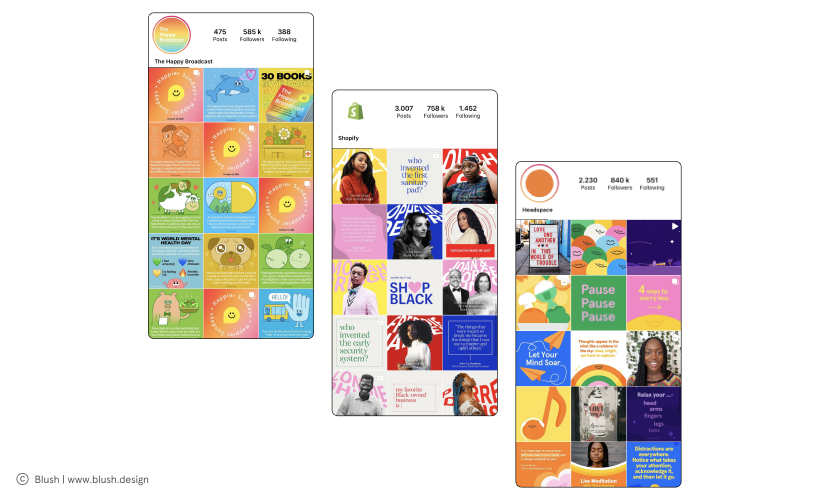
Beginners can start by using simple grids, practicing alignment, and studying successful designs for inspiration.
Why is whitespace important in layout design?
Whitespace improves readability and prevents designs from looking cluttered, making content easier to understand.
How many fonts should I use in a design?
It is best to use two or three fonts to maintain consistency and avoid visual confusion.
Can I use the same layout for all platforms?
While you can maintain a consistent style, it is important to adjust layouts based on platform dimensions and audience behavior.
What tools can help with layout design?
Design tools like Canva, Photoshop, and Figma can assist in creating structured and professional layouts.
Expert Tips & Bonus Points
To take your designs to the next level, focus on consistency. Create templates that you can reuse for different posts. This not only saves time but also strengthens your brand identity.
Another useful tip is to study high-performing content. Analyze what makes certain posts successful and apply those insights to your own designs.
Experimentation is also important. Try different layouts, colors, and styles to see what works best for your audience. Over time, you will develop your own unique design style.
Pay attention to details such as margins, padding, and font spacing. Small adjustments can make a big difference in the overall appearance of your design.
Finally, always keep your audience in mind. Design with their preferences and needs in focus to create more engaging and effective content.
Conclusion
Mastering layout design tips for social media creatives is a valuable skill that can significantly improve the quality of your content. By understanding how to arrange elements effectively, you can create designs that are both visually appealing and easy to understand.
Throughout this article, we explored the fundamentals of layout design, including spacing, alignment, typography, and color usage. Each of these elements plays a crucial role in shaping the overall look and feel of your design.
For beginners and intermediate designers, the key is to start simple and gradually build your skills. Focus on clarity and consistency rather than complexity. Over time, you will gain confidence and develop a strong sense of design.
Remember that social media is a fast-paced environment where attention is limited. A well-structured layout can help your content stand out and communicate its message effectively.
By applying these layout design tips for social media creatives, you can create professional and engaging designs that capture attention and drive better results.
