

Introduction
If you have ever looked at a beautiful painting and thought, “I wish I could create something like that,” you are not alone. Many people feel drawn to art but hesitate to begin because they believe painting requires special talent or expensive tools. The truth is, getting started with easy canvas painting ideas for beginners is much simpler than it seems.
Painting on canvas is a relaxing and creative activity that anyone can enjoy, regardless of experience. With the right approach, even simple designs can look stunning and professional. Moreover, starting with beginner-friendly ideas allows you to build confidence while exploring your artistic side.
In this guide, you will discover practical and easy canvas painting ideas for beginners along with step-by-step instructions to help you create your first masterpiece. Whether you want to paint for fun, decorate your home, or develop a new hobby, this article will guide you through everything you need to know.
By the end, you will not only understand the basics but also feel motivated to pick up a brush and start painting today.
What is Easy Canvas Painting Ideas for Beginners?
Easy canvas painting ideas for beginners refer to simple and creative painting concepts designed for people who are new to art. These ideas focus on basic techniques, minimal tools, and straightforward designs that are easy to follow.
Instead of complex artwork, beginner ideas often include:
- Simple landscapes
- Abstract patterns
- Basic floral designs
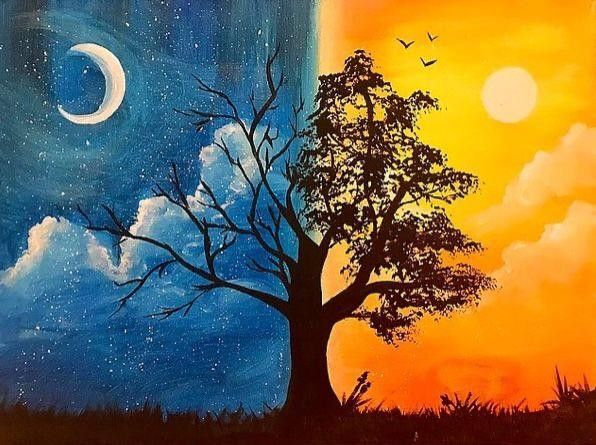
- Silhouettes
- Sunset or sky scenes
The goal is not perfection but practice and enjoyment. These ideas help beginners understand color mixing, brush control, and composition without feeling overwhelmed.
Additionally, easy canvas painting ideas for beginners encourage experimentation. You can try different colors, textures, and styles without worrying about making mistakes. This makes learning both fun and stress-free.
Why is Easy Canvas Painting Ideas for Beginners Important?
Starting with easy canvas painting ideas for beginners is important because it builds a strong foundation for future artistic growth. Jumping into advanced techniques too early can lead to frustration and discouragement.
Here are some key reasons why beginner-friendly ideas matter:
First, they boost confidence. Completing a simple painting gives you a sense of achievement and motivates you to continue.
Second, they help you learn essential skills. Basic ideas teach you how to handle brushes, blend colors, and apply paint effectively.
Third, they reduce stress. Painting simple designs allows you to relax and enjoy the process rather than worrying about perfection.
Finally, they encourage creativity. When you are not restricted by complexity, you feel freer to explore your imagination.
In short, easy canvas painting ideas for beginners provide the perfect starting point for anyone interested in art.
Detailed Step-by-Step Guide
Step 1 – Gather Your Materials
Before you begin, it is important to have the right tools. You do not need anything expensive to start.
Basic materials include:
- Canvas (small size for beginners)
- Acrylic paints
- Paintbrushes (flat and round)
- Palette or plate
- Water cup
- Paper towels
Having everything ready will make the process smoother and more enjoyable.
Step 2 – Choose a Simple Idea
Start with one of the easy canvas painting ideas for beginners such as:
- Sunset with silhouettes
- Abstract color blending
- Simple flowers
- Geometric shapes
Choosing a simple idea ensures that you stay focused and do not feel overwhelmed.
Step 3 – Prepare Your Canvas
Make sure your canvas is clean and dry. If you want a smoother finish, you can apply a base coat of paint and let it dry completely.
This step helps the colors appear more vibrant and consistent.
Step 4 – Sketch the Outline
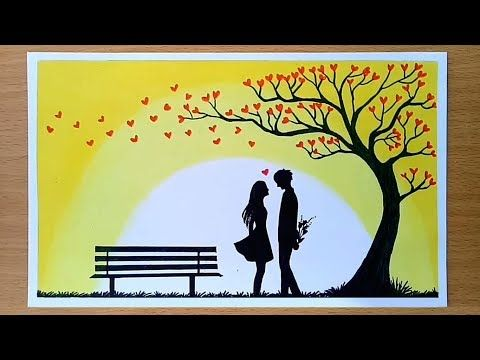
Lightly sketch your design using a pencil. Keep it simple and avoid adding too many details.
For example, if you are painting a sunset, sketch the horizon line and basic shapes like trees or mountains.
Step 5 – Start Painting Background
Begin with the background colors. Use broad strokes and blend colors gently.
For instance:
- Use yellow, orange, and red for a sunset
- Use blue shades for a sky or ocean
Allow the background to dry before moving to the next step.
Step 6 – Add Main Elements
Once the background is dry, paint the main objects such as trees, flowers, or shapes.
Use smaller brushes for better control. Take your time and build layers gradually.
Step 7 – Add Details and Highlights
Add finishing touches like highlights, shadows, or small details.
This step enhances the overall look and makes your painting more appealing.
Step 8 – Let It Dry
Allow your painting to dry completely before touching or displaying it.
Drying time depends on the type of paint, but acrylics usually dry quickly.
Benefits of Easy Canvas Painting Ideas for Beginners
- Improves creativity and imagination
- Reduces stress and promotes relaxation
- Builds confidence through small achievements
- Enhances focus and patience
- Encourages self-expression
- Develops basic artistic skills
- Provides a sense of accomplishment
Disadvantages / Risks
- Beginners may feel discouraged if results are not perfect
- Using poor-quality materials can affect outcomes
- Lack of practice may slow progress
- Comparing your work to others can reduce motivation
- Overcomplicating simple ideas can lead to frustration
Common Mistakes to Avoid
One common mistake is starting with complex designs. This often leads to confusion and disappointment. Always begin with easy canvas painting ideas for beginners.
Another mistake is using too much paint. Applying excessive paint can make your artwork messy and difficult to control.
Many beginners also skip sketching. A simple outline helps maintain proportions and structure.
Rushing the process is another issue. Painting requires patience, especially when waiting for layers to dry.
Lastly, ignoring practice can limit improvement. The more you paint, the better you become.
FAQs
What are the easiest canvas painting ideas for beginners?
Some of the easiest ideas include sunsets, abstract designs, simple flowers, and silhouettes. These require minimal detail and basic techniques.
Do I need expensive materials to start painting?
No, beginners can start with affordable acrylic paints, brushes, and small canvases. Quality matters, but you do not need professional tools initially.
How long does it take to complete a beginner painting?
It depends on the design, but most easy canvas painting ideas for beginners can be completed in one to three hours.
Can I learn painting without any prior experience?
Yes, painting is a skill that anyone can learn. Starting with simple ideas helps build confidence and improve gradually.
What type of paint is best for beginners?
Acrylic paint is the best choice for beginners because it dries quickly, is easy to use, and works well on canvas.
How can I improve my painting skills?
Practice regularly, experiment with different styles, and learn from your mistakes. Over time, your skills will naturally improve.
Expert Tips & Bonus Points
Start small and gradually increase the complexity of your paintings. This helps you stay motivated and avoid frustration.
Use reference images for inspiration but do not try to copy them exactly. Add your own creative touch.
Keep your brushes clean to maintain color clarity and improve results.
Experiment with color combinations to discover what works best for your style.
Practice brush control by making simple strokes and patterns before starting a full painting.
Most importantly, enjoy the process. Painting is not just about the final result but also about the experience.
Conclusion
Getting started with easy canvas painting ideas for beginners is one of the best ways to explore your creativity and develop a rewarding hobby. You do not need special talent or expensive tools to begin. All you need is a willingness to try and the patience to learn.
Throughout this guide, you have learned what beginner-friendly painting ideas are, why they are important, and how to create your own artwork step by step. These simple techniques provide a strong foundation that will help you grow as an artist over time.
Remember, every artist starts as a beginner. Mistakes are part of the learning process, and each painting you create will bring you closer to improvement. Instead of focusing on perfection, focus on progress and enjoyment.
By practicing regularly and experimenting with different ideas, you will gain confidence and develop your own unique style. So pick up your brushes, choose a simple idea, and start painting today.
