

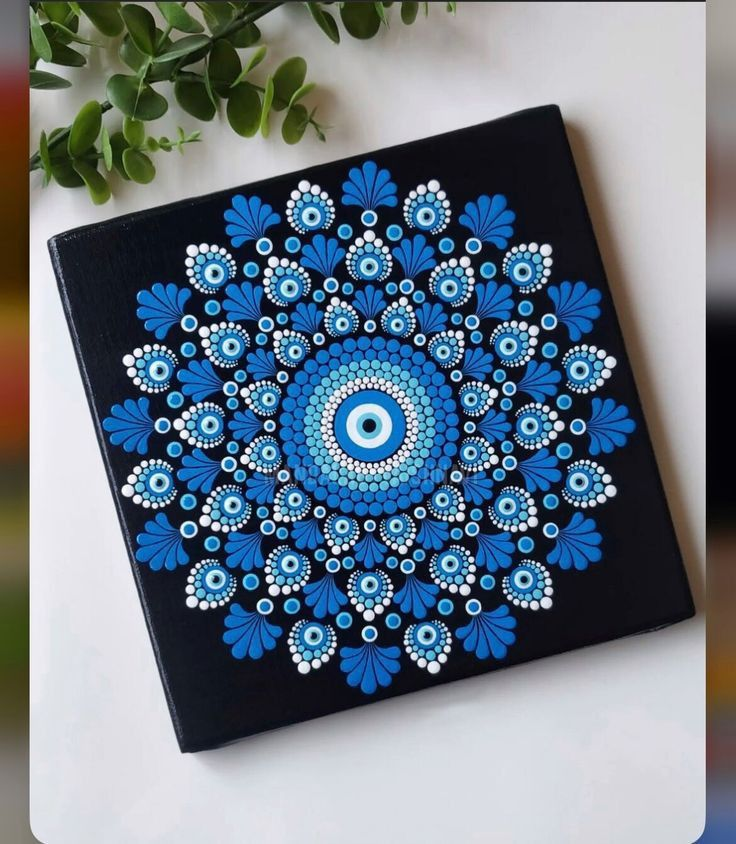
Introduction
Creativity does not require a studio, expensive tools, or formal training. Sometimes, all it takes is a simple sketchbook and a quiet corner at home. Exploring aesthetic sketchbook ideas to try at home is one of the most enjoyable ways to express yourself while improving your artistic skills.
Whether you are a beginner picking up a pencil for the first time or someone with intermediate experience, working in a sketchbook can help you experiment freely. Unlike finished artwork, a sketchbook is personal. It is a place where mistakes are allowed, ideas grow, and creativity flows without pressure.
In recent years, aesthetic sketchbook ideas to try at home have gained popularity because they combine art with mindfulness. From minimal line drawings to colorful collage pages, these ideas help you develop a unique style while enjoying the process.
Moreover, creating aesthetic pages does not mean everything has to be perfect. Instead, it is about capturing moods, emotions, and visual harmony. With the right approach, your sketchbook can become a beautiful collection of your artistic journey.
In this guide, you will discover practical ideas, step-by-step methods, common mistakes, and expert tips to help you get started and stay consistent.
What is Aesthetic Sketchbook Ideas to Try at Home?
Aesthetic sketchbook ideas to try at home refer to creative concepts and techniques used to design visually pleasing sketchbook pages. These ideas focus on balance, color harmony, and artistic expression rather than technical perfection.
An aesthetic sketchbook is not just about drawing. It can include:
- Doodles and illustrations
- Hand lettering
- Collages using paper or magazine cutouts
- Color palettes and swatches
- Photography-inspired sketches
The word “aesthetic” simply means something that looks visually appealing. In this context, it involves combining elements such as colors, textures, shapes, and themes to create pages that feel satisfying and cohesive.
For beginners, aesthetic sketchbook ideas to try at home provide a relaxed entry point into art. Instead of focusing on complex techniques, you can start with simple designs and gradually build confidence.
For intermediate artists, these ideas offer a way to experiment and refine personal style. You can mix mediums, try new compositions, and push creative boundaries without worrying about perfection.
Why is Aesthetic Sketchbook Ideas to Try at Home Important?
Exploring aesthetic sketchbook ideas to try at home is more than just a hobby. It plays a significant role in personal development and creative growth.
First, it encourages consistent practice. When you enjoy what you are creating, you are more likely to return to your sketchbook regularly. This consistency helps improve your skills over time.
Second, it boosts creativity. By trying different ideas and styles, you train your mind to think outside the box. You learn to see beauty in everyday objects and translate that into your work.
Another important aspect is stress relief. Art has a calming effect, and working on aesthetic sketchbook ideas to try at home can help reduce anxiety and improve focus.
Additionally, it helps build confidence. As your sketchbook fills with completed pages, you start to feel proud of your progress. This motivation pushes you to keep improving.
Finally, it allows self-expression. Your sketchbook becomes a reflection of your thoughts, moods, and personality. No two sketchbooks are the same, which makes the process even more special.
Detailed Step-by-Step Guide
Step 1: Choose Your Materials
Start by selecting a sketchbook that feels comfortable to use. It does not need to be expensive. A simple notebook with good-quality paper works perfectly.
Basic tools include:
- Pencils and erasers
- Black pens or fineliners
- Colored pencils or markers
- Glue and scissors for collage
As you explore aesthetic sketchbook ideas to try at home, you can add more materials like watercolor or washi tape.
Step 2: Pick a Theme
Choosing a theme helps guide your creativity. Some popular themes include:
- Nature (flowers, leaves, landscapes)
- Minimalist black and white designs
- Vintage or retro styles
- Pastel color palettes
- Everyday objects
Having a theme makes your sketchbook look more cohesive and visually appealing.
Step 3: Start with Simple Layouts
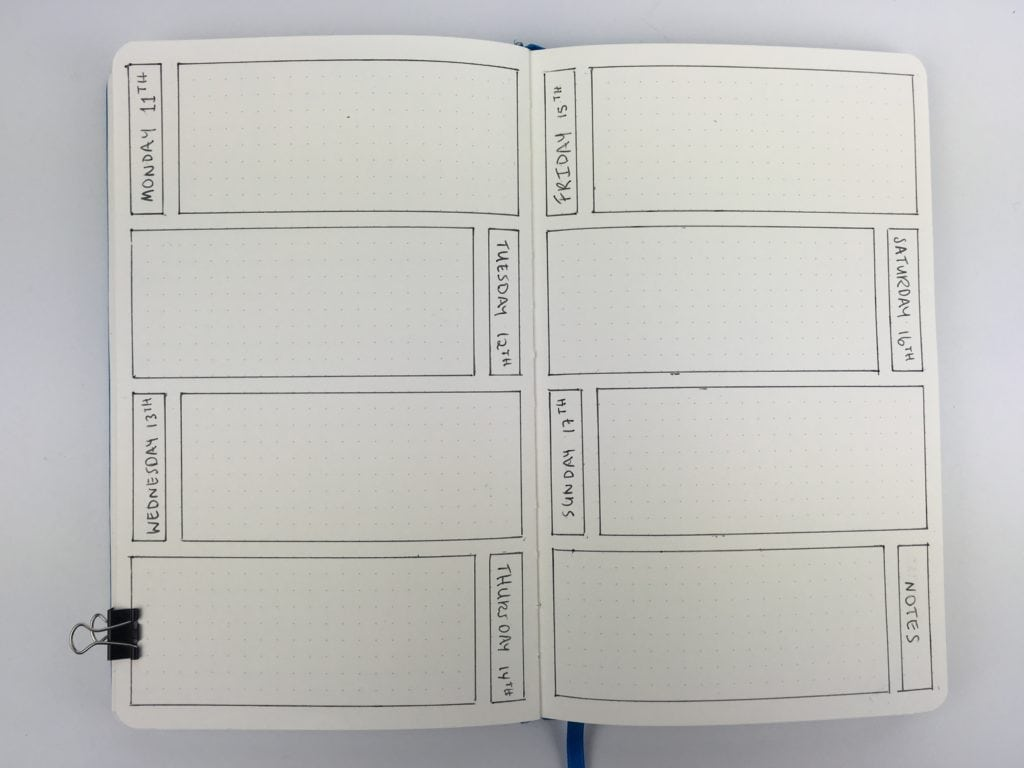
Do not overcomplicate your first pages. Begin with basic compositions such as:
- Centered drawings
- Border designs
- Repeating patterns
These simple layouts allow you to focus on creativity without feeling overwhelmed.
Step 4: Experiment with Colors
Color plays a major role in aesthetic sketchbook ideas to try at home. Try different combinations and see what works best.
You can:
- Use limited color palettes
- Blend shades for depth
- Combine warm and cool tones
Keep a color swatch page to test ideas before applying them.
Step 5: Add Details and Textures
Details bring your pages to life. Consider adding:
- Shadows and highlights
- Patterns like dots or lines
- Small decorative elements
Texture can be created through layering, shading, or mixed media.
Step 6: Include Personal Elements
Make your sketchbook unique by adding personal touches such as:
- Quotes or handwritten notes
- Memories or journal entries
- Sketches inspired by your daily life
This step transforms your sketchbook into a meaningful collection.
Step 7: Practice Regularly
Consistency is key. Set aside time each day or week to work on your sketchbook. Even a few minutes can make a big difference over time.
Benefits of Aesthetic Sketchbook Ideas to Try at Home
- Encourages daily creativity and artistic growth
- Helps reduce stress and improve mental clarity
- Builds confidence through consistent practice
- Develops a unique personal art style
- Improves observation and attention to detail
- Provides a productive and enjoyable hobby
- Enhances focus and patience
- Allows safe experimentation without pressure
Disadvantages / Risks
- Can lead to perfectionism if expectations are too high
- Comparing your work with others may reduce motivation
- Lack of consistency may slow progress
- Overuse of materials can increase costs
- Creative blocks may occur from time to time
Common Mistakes to Avoid
One common mistake is aiming for perfection. A sketchbook is meant for practice and exploration, not flawless artwork. Accept imperfections as part of the process.
Another mistake is copying others without adding your own touch. While inspiration is helpful, try to develop your own style as you explore aesthetic sketchbook ideas to try at home.
Using too many colors or elements can also make pages look cluttered. Keep your designs balanced and simple.
Many beginners skip planning. Taking a few minutes to think about your layout can improve the final result significantly.
Finally, inconsistency can hold you back. Even if you feel uninspired, try to create something small to maintain momentum.
FAQs
1. What materials do I need to start?
You only need basic supplies like a sketchbook, pencil, pen, and some colors. You can expand your collection later as you explore more ideas.
2. How often should I practice?
Practicing a few times a week is enough for beginners. However, daily practice can help you improve faster.
3. Can beginners try aesthetic sketchbook ideas to try at home?
Yes, these ideas are perfect for beginners because they focus on creativity rather than technical skill.
4. What if my drawings do not look good?
It is completely normal in the beginning. Improvement comes with practice, so keep going and do not give up.
5. How do I find inspiration?
Look around your environment, observe nature, or explore different art styles. Everyday life can be a great source of inspiration.
6. Should I use references?
Yes, references can help you understand shapes, colors, and compositions better. Just make sure to add your personal touch.
Expert Tips & Bonus Points
Start small and build gradually. Do not try to fill an entire page with complex designs in one go. Simple ideas can look just as aesthetic.
Keep a separate page for experimenting. Test colors, patterns, and techniques before applying them to your main artwork.
Use negative space effectively. Leaving some areas blank can make your designs look cleaner and more professional.
Mix different styles. Combining minimalism with detailed elements can create a unique and balanced look.
Stay inspired by documenting your progress. Looking back at older pages can motivate you to keep improving.
Most importantly, enjoy the process. The goal of exploring aesthetic sketchbook ideas to try at home is not perfection but creative expression.
Conclusion
Exploring aesthetic sketchbook ideas to try at home is a rewarding and enjoyable journey for artists of all levels. It allows you to express your creativity freely while developing valuable artistic skills over time.
From choosing simple materials to experimenting with themes, colors, and layouts, every step contributes to your growth. The process itself is just as important as the final result, if not more.
While there may be challenges such as creative blocks or self-doubt, these are natural parts of the journey. By staying consistent and embracing imperfections, you can overcome these obstacles and continue improving.
Aesthetic sketchbook ideas to try at home also provide a sense of relaxation and mindfulness. They offer a break from daily routines and allow you to focus on something meaningful and fulfilling.
In the end, your sketchbook becomes more than just a collection of drawings. It becomes a visual diary of your creativity, progress, and personal expression. Keep exploring, keep experimenting, and most importantly, keep creating.
