

Introduction
Watercolor painting has become one of the most relaxing and expressive art forms for both beginners and experienced creators. Whether you are picking up a brush for the first time or returning to art after a long break, exploring watercolor art ideas for adults and teens can open a world of creativity. This medium is known for its soft textures, flowing colors, and forgiving nature, making it ideal for experimentation.
Many people turn to watercolor painting as a stress-relieving activity. It allows you to disconnect from daily routines and focus on something calming and meaningful. Moreover, watercolor art ideas for adults and teens are incredibly versatile, ranging from simple abstract patterns to detailed landscapes and portraits.
Another reason for its popularity is accessibility. You don’t need expensive tools to begin. A basic set of paints, brushes, and paper is enough to start exploring countless watercolor art ideas for adults and teens. As you progress, you can refine your techniques and develop a personal style.
In this guide, you will discover everything you need to know about watercolor painting. From understanding the basics to learning step-by-step techniques and avoiding common mistakes, this article is designed to help beginners and intermediate learners build confidence and skill. Let’s dive into the colorful world of watercolor art.
What is Watercolor Art Ideas for Adults and Teens?
Watercolor painting is a technique that uses water-based pigments applied to paper. The paint is diluted with water, which creates soft, transparent layers of color. This unique quality allows artists to build depth and texture in a way that feels natural and fluid.
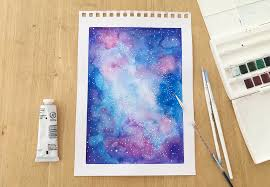
When discussing watercolor art ideas for adults and teens, we refer to creative concepts that inspire individuals to practice and improve their painting skills. These ideas can include nature scenes, abstract art, floral compositions, galaxy effects, and even minimalist designs.
Unlike other painting methods, watercolor requires a balance between control and spontaneity. The water flow often creates unexpected patterns, which adds charm to the final piece. This makes watercolor art ideas for adults and teens especially appealing for those who enjoy both structure and creative freedom.
Additionally, watercolor is suitable for all skill levels. Beginners can start with simple shapes and color blending, while intermediate artists can experiment with layering, shading, and advanced techniques. This adaptability is what makes watercolor such a popular choice among creative individuals.
Why is Watercolor Art Ideas for Adults and Teens Important?
Engaging in watercolor art ideas for adults and teens offers more than just artistic satisfaction. It plays an important role in mental well-being, creativity, and personal development.
First, watercolor painting encourages mindfulness. As you focus on brush strokes and color blending, your mind shifts away from stress and distractions. This creates a calming effect similar to meditation.
Second, it enhances creativity. Trying different watercolor art ideas for adults and teens helps you think outside the box and develop unique perspectives. Over time, you learn how to express emotions and ideas visually.
Another important aspect is skill development. Watercolor improves hand-eye coordination, patience, and attention to detail. These skills are beneficial not only in art but also in daily life.
Lastly, watercolor painting can be a social activity. Teens and adults can join workshops, share artwork online, or collaborate with friends. This sense of community makes the experience even more rewarding.
Detailed Step-by-Step Guide
Step 1: Gather Your Materials
Before starting, ensure you have the following:
- Watercolor paints
- Brushes (round and flat)
- Watercolor paper
- Clean water
- Palette or mixing tray
Step 2: Choose Simple Ideas
Begin with easy watercolor art ideas for adults and teens such as:
- Gradient washes
- Simple flowers
- Basic landscapes
- Abstract shapes
Step 3: Learn Basic Techniques
Practice essential techniques like:
- Wet-on-wet for soft blending
- Wet-on-dry for sharp edges
- Layering for depth
Step 4: Start Painting
Follow these steps:
- Lightly sketch your design
- Apply a base wash
- Add layers gradually
- Let each layer dry before adding details
Step 5: Experiment with Colors
Mix colors to create new shades. This helps in understanding color theory and improving creativity.
Step 6: Add Final Details
Use a fine brush to add highlights, shadows, and textures. This step enhances the overall look of your artwork.
Benefits of Watercolor Art Ideas for Adults and Teens
- Promotes relaxation and reduces stress
- Enhances creativity and imagination
- Improves focus and concentration
- Encourages self-expression
- Builds patience and discipline
- Affordable and accessible for beginners
- Suitable for all age groups
Disadvantages / Risks
- Difficult to control compared to other mediums
- Mistakes are harder to fix
- Requires practice to master techniques
- Paper quality can affect results
- Overworking can ruin the painting
- Colors may fade if not preserved properly
Common Mistakes to Avoid
Many beginners make similar mistakes when exploring watercolor art ideas for adults and teens. Avoiding these can improve your results significantly.
One common mistake is using too much water. While water is essential, excessive use can cause colors to bleed uncontrollably. It is important to find the right balance.
Another mistake is not allowing layers to dry. Painting over wet layers can create muddy colors and ruin the clarity of your artwork.
Using low-quality paper is also a problem. Thin paper may warp or tear, affecting the final outcome.
Additionally, beginners often overwork their paintings. Trying to fix every detail can lead to dull and lifeless results.
Lastly, skipping practice is a major issue. Consistent practice is key to mastering watercolor techniques.
FAQs
1. Is watercolor painting suitable for beginners?
Yes, watercolor painting is ideal for beginners. Many watercolor art ideas for adults and teens are simple and easy to start with, making it a great entry point into art.
2. What supplies do I need to start?
You need basic supplies such as watercolor paints, brushes, paper, and water. These are enough to begin exploring different ideas.
3. How long does it take to learn watercolor?
The learning time varies. With regular practice, you can see improvement within a few weeks. Mastery may take months or years.
4. Can teens benefit from watercolor painting?
Absolutely. Watercolor art ideas for adults and teens help improve creativity, focus, and emotional expression, making it beneficial for teens.
5. Why do my colors look muddy?
Muddy colors usually result from overmixing or layering wet paint on top of another wet layer. Allow layers to dry before adding new ones.
6. How can I improve my skills?
Practice regularly, study techniques, and experiment with different watercolor art ideas for adults and teens. Learning from mistakes is also important.
Expert Tips & Bonus Points
To take your watercolor skills to the next level, consider these expert tips.
Start with light colors and gradually build darker tones. This helps maintain transparency and control.
Use high-quality paper. It makes a significant difference in how the paint behaves and improves the final result.
Keep your brushes clean. Dirty brushes can mix unwanted colors and affect your artwork.
Practice daily, even for a short time. Consistency is more important than long sessions.
Try different styles. Exploring various watercolor art ideas for adults and teens will help you discover your unique artistic voice.
Don’t fear mistakes. Sometimes unexpected results can lead to beautiful creations.
Conclusion
Watercolor painting is a rewarding and enjoyable activity that suits both beginners and experienced artists. Exploring watercolor art ideas for adults and teens allows individuals to express themselves creatively while also improving important skills such as patience and focus.
This art form stands out because of its simplicity and versatility. With just a few basic tools, anyone can start creating beautiful artwork. From simple washes to detailed compositions, watercolor offers endless possibilities.
Moreover, the benefits go beyond art. It helps reduce stress, encourages mindfulness, and boosts confidence. Whether you are painting alone or sharing your work with others, the experience can be deeply fulfilling.
While there are challenges, such as controlling water and avoiding common mistakes, these can be overcome with practice and dedication. The key is to stay consistent and open to learning.
In the end, watercolor art ideas for adults and teens provide a perfect balance of creativity and relaxation. By following the steps and tips outlined in this guide, you can develop your skills and enjoy the artistic journey. Keep experimenting, stay inspired, and most importantly, have fun with your watercolor creations.
