

Introduction
Creating compelling characters is one of the most exciting parts of digital art, but it can also feel overwhelming without a clear process. Many beginners jump straight into drawing without a structured plan, which often leads to frustration and inconsistent results. This is where understanding the best digital art workflow for character design becomes essential. A well-defined workflow not only saves time but also improves creativity and consistency.
Whether you are sketching your first character or refining your digital painting skills, having a step-by-step approach helps you stay organized. It allows you to move from rough ideas to polished artwork with confidence. More importantly, it reduces confusion and helps you focus on improving specific skills at each stage.
The best digital art workflow for character design is not about rigid rules. Instead, it is a flexible system that adapts to your style and tools. By following a structured method, you can experiment more freely while maintaining control over your work.
In this guide, you will learn how to build a smooth and effective workflow. From brainstorming ideas to final rendering, every stage will be explained clearly. By the end, you will have a practical system that you can use in your own projects to create professional-looking character designs.
What is Best Digital Art Workflow for Character Design?
The best digital art workflow for character design refers to a structured sequence of steps that artists follow to create characters efficiently and effectively. It includes everything from idea generation to final rendering, ensuring that each phase contributes to the overall quality of the artwork.
In simple terms, it is a roadmap for your creative process. Instead of randomly drawing and adjusting, you follow a clear path that helps you stay focused. This workflow usually begins with research and inspiration, followed by sketching, refining, coloring, and adding final details.
For example, an artist might start by collecting reference images, then create rough sketches, refine the design, add colors, and finally apply lighting and effects. Each stage builds upon the previous one, making the process smoother and more predictable.
The best digital art workflow for character design also involves using layers, tools, and techniques effectively. It helps artists manage their files, organize their work, and make changes without starting over. This structured approach is especially helpful for beginners who want to improve quickly and avoid common mistakes.
Why is Best Digital Art Workflow for Character Design Important?
Having the best digital art workflow for character design is important because it brings clarity and efficiency to your creative process. Without a proper workflow, artists often waste time fixing mistakes or redoing entire sections of their work.
First, it improves productivity. When you know what to do next, you spend less time thinking and more time creating. This allows you to complete projects faster without compromising quality.
Second, it enhances consistency. A structured workflow ensures that each character you create follows a similar level of detail and quality. This is especially important for artists working on series or professional projects.
Another key benefit is better learning. By breaking the process into stages, you can focus on improving specific skills such as sketching, coloring, or lighting. Over time, this leads to noticeable growth in your abilities.
Additionally, the best digital art workflow for character design helps reduce stress. Instead of feeling overwhelmed, you approach your work step by step. This makes the creative process more enjoyable and less frustrating.
Finally, it prepares you for professional work. Many studios and clients expect artists to follow a structured process. Developing a strong workflow early on gives you a competitive advantage.
Detailed Step-by-Step Guide
Research and Inspiration
Every great character begins with a strong idea. Start by gathering references that match your concept. This could include clothing styles, facial features, poses, or color schemes.
Look at different sources such as movies, games, or real-life photography. The goal is to build a visual library that inspires your design. Avoid copying directly. Instead, combine elements to create something unique.
At this stage, you should also think about your character’s personality, background, and role. These details will influence the design choices you make later.
Thumbnail Sketching
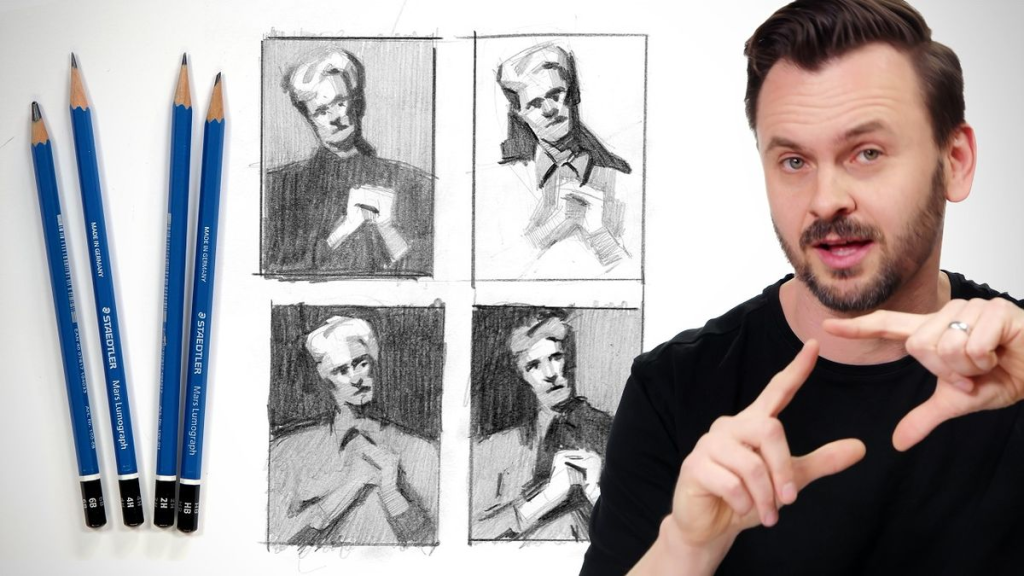
Once you have your ideas, begin with small, quick sketches. These are called thumbnails and are used to explore different poses and shapes.
Keep your sketches loose and simple. Focus on proportions, silhouette, and overall composition rather than details. Try multiple variations to see what works best.
This step is important because it allows you to experiment without committing too much time. It also helps you discover creative ideas that you might not have considered initially.
Rough Sketch
After selecting a strong thumbnail, create a more detailed rough sketch. This is where your character starts to take shape.
Refine the anatomy, pose, and basic features. Add clothing elements and accessories, but keep the lines loose enough to make changes easily.
Use separate layers to organize your work. This will make it easier to adjust different parts of the design without affecting the entire drawing.
Clean Line Art
Now it is time to create clean and precise line art. Lower the opacity of your rough sketch and draw over it with smoother, more defined lines.
Focus on clarity and consistency. Make sure your lines are confident and well-placed. This stage sets the foundation for coloring and rendering.
Take your time here, as good line art can significantly improve the overall quality of your character design.
Base Coloring
Once your line art is complete, start adding base colors. Use flat colors to fill in different parts of the character such as skin, clothing, and hair.
Choose a color palette that matches the mood and personality of your character. Keep the colors simple at this stage and avoid adding too many variations.
Working with layers is essential here. Separate different elements so you can adjust them independently.
Shading and Lighting
After applying base colors, begin adding shadows and highlights. This step brings depth and dimension to your character.
Decide on a light source and apply shading accordingly. Use soft brushes for smooth transitions and harder brushes for sharper details.
Experiment with blending modes and opacity settings to achieve different effects. This stage can greatly enhance the realism and appeal of your design.
Final Details and Effects
In the final stage, add small details that make your character stand out. This could include textures, patterns, or subtle highlights.
You can also apply effects such as glow, rim lighting, or color adjustments. These finishing touches give your artwork a polished and professional look.
Before completing your work, review everything carefully. Make any necessary adjustments to improve balance and harmony.
Benefits of Best Digital Art Workflow for Character Design
- Improves efficiency by reducing unnecessary steps
- Helps maintain consistency across multiple designs
- Makes it easier to fix mistakes without starting over
- Enhances creativity through structured experimentation
- Saves time during complex projects
- Builds professional habits for future work
- Simplifies collaboration with other artists
Disadvantages / Risks
- Can feel restrictive if followed too rigidly
- May slow down beginners who overthink each step
- Requires practice to become natural
- Over-reliance on workflow can limit spontaneous creativity
- Learning new tools and techniques can take time
Common Mistakes to Avoid
One common mistake is skipping the planning stage. Many beginners jump straight into detailed drawing without proper research or thumbnails. This often leads to weak designs and wasted effort.
Another mistake is overcomplicating the process. While having a workflow is important, adding too many steps can make it confusing. Keep your workflow simple and practical.
Ignoring layers is also a major issue. Without proper layer management, editing becomes difficult and time-consuming. Always organize your work clearly.
Many artists also rush the line art stage. Poor line quality can affect the entire design, even if the coloring is good. Take your time to create clean and confident lines.
Lastly, inconsistent lighting can ruin an otherwise strong character design. Always decide on a clear light source and apply shading consistently.
FAQs
What is the best digital art workflow for character design for beginners?
For beginners, the best digital art workflow for character design includes simple steps such as sketching, refining, coloring, and shading. Focus on learning each stage gradually rather than trying to master everything at once.
How long does it take to learn a proper workflow?
The time required varies depending on practice and dedication. Most artists start seeing improvement within a few weeks, but mastering a workflow can take several months or more.
Do I need expensive software to follow this workflow?
No, you can follow the best digital art workflow for character design using free or affordable software. The key is understanding the process, not the tool.
Can I change my workflow later?
Yes, workflows are flexible. As you gain experience, you can modify or improve your process to suit your style and preferences.
Is line art necessary in character design?
Line art is helpful but not always required. Some artists prefer painting directly without lines. However, beginners often benefit from having clear line art as a guide.
How can I improve my character design skills faster?
Practice regularly, study references, and analyze your work. Following a structured workflow also helps you identify areas for improvement more effectively.
Expert Tips & Bonus Points
To get the most out of the best digital art workflow for character design, focus on building strong fundamentals. Anatomy, color theory, and lighting are essential skills that will enhance every stage of your process.
Use shortcuts and tools to speed up your work. Learning keyboard shortcuts and brush settings can save a significant amount of time.
Another useful tip is to take breaks. Working for long hours without rest can reduce creativity and lead to mistakes. Short breaks help you return with a fresh perspective.
Experiment with different styles and techniques. While having a workflow is important, staying flexible allows you to grow as an artist.
Finally, always review your work critically. Compare your designs with references and look for areas that need improvement. This habit will help you refine your skills over time.
Conclusion
Mastering the best digital art workflow for character design can transform the way you create art. Instead of feeling lost or overwhelmed, you gain a clear direction that guides you from concept to completion. This structured approach not only improves efficiency but also enhances the quality of your work.
By following a step-by-step process, you can break down complex tasks into manageable stages. This makes it easier to focus on individual skills and gradually improve your overall ability. Whether you are sketching ideas or adding final details, each step plays an important role in shaping your character.
It is important to remember that no workflow is perfect for everyone. The best digital art workflow for character design is the one that works for you. Use this guide as a foundation and adjust it according to your needs and preferences.
With consistent practice and a clear process, you will see steady progress in your work. Over time, your workflow will become second nature, allowing you to focus more on creativity and less on technical challenges. Keep experimenting, stay patient, and continue refining your approach to achieve the best results.
