

Introduction
Learning how to color digital portraits like a pro can feel overwhelming at first, especially if you are just starting out. However, with the right techniques, tools, and a clear understanding of color theory, anyone can create stunning, lifelike portraits. Digital art offers endless flexibility, allowing you to experiment, undo mistakes, and refine your work without limitations.
In the beginning, most artists struggle with flat colors, poor blending, and unrealistic skin tones. This is completely normal. The key is to practice consistently and follow a structured approach. Instead of randomly applying colors, professional artists rely on layers, lighting principles, and controlled brushwork to achieve depth and realism.
Moreover, understanding how light interacts with skin, hair, and different surfaces can dramatically improve your results. Even simple portraits can look impressive when colored correctly. With time, your confidence and style will naturally evolve.
This guide will walk you through everything you need to know about how to color digital portraits like a pro. From basic concepts to advanced tips, each section is designed to help beginners and intermediate artists improve their skills effectively and confidently.
What is How to Color Digital Portraits Like a Pro?
How to color digital portraits like a pro refers to the process of applying colors to a digital drawing in a way that looks polished, realistic, and visually appealing. It goes beyond simply filling shapes with color. Instead, it involves understanding lighting, shading, color harmony, and texture.
Professional-level coloring includes techniques such as blending, layering, and using different brush settings. Artists also pay close attention to highlights, shadows, and midtones to create depth. Additionally, they use color variations instead of relying on a single flat tone.
Digital portrait coloring typically involves software like Photoshop, Procreate, or Clip Studio Paint. These tools provide advanced features such as layer modes, opacity control, and customizable brushes, which are essential for achieving professional results.
Ultimately, mastering how to color digital portraits like a pro means being able to bring your artwork to life with realistic lighting, smooth transitions, and expressive details.
Why is How to Color Digital Portraits Like a Pro Important?
Understanding how to color digital portraits like a pro is crucial for anyone serious about digital art. It transforms simple sketches into captivating artwork that stands out.
First, good coloring enhances realism. Proper shading and lighting make portraits look three-dimensional rather than flat. This is especially important for artists who want to create lifelike characters.
Second, it improves storytelling. Colors can convey emotions, mood, and personality. For example, warm tones can create a friendly atmosphere, while cool tones may suggest calmness or sadness.
Additionally, professional coloring skills can open career opportunities. Many industries, including gaming, animation, and illustration, require artists who can produce high-quality digital portraits.
Lastly, it boosts confidence. When your artwork looks polished, you feel more motivated to continue improving and experimenting with new styles.
Detailed Step-by-Step Guide
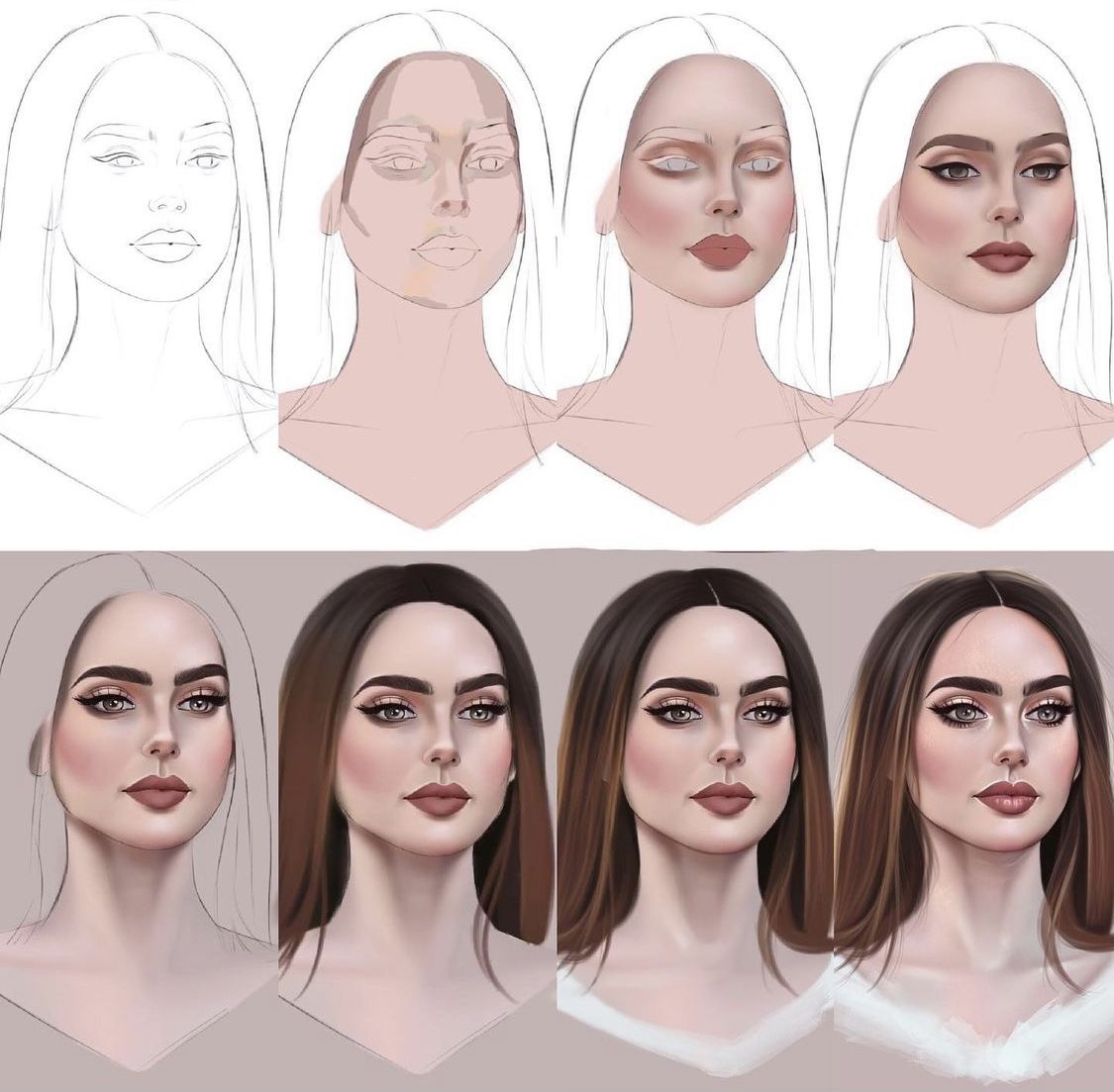
Step 1: Prepare Your Line Art
Start with clean and well-defined line art. This makes the coloring process much easier.
- Use a separate layer for line art
- Adjust line opacity if needed
- Fix any messy or unclear lines
Clean lines provide a strong foundation for professional coloring.
Step 2: Choose a Base Color
Apply flat base colors for each part of the portrait.
- Skin, hair, eyes, and clothing should be on separate layers
- Avoid using pure white or black
- Pick slightly desaturated tones for better blending
This step helps organize your work and prepares it for shading.
Step 3: Understand Light Source
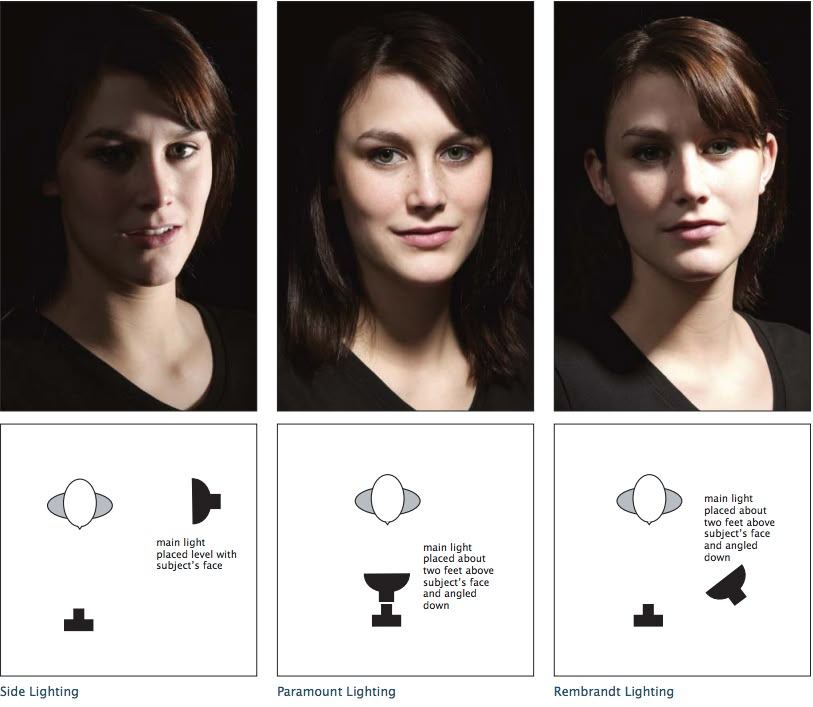
Before adding shadows, decide where your light is coming from.
- Top lighting creates natural effects
- Side lighting adds drama
- Multiple light sources increase complexity
Consistency in lighting is essential when learning how to color digital portraits like a pro.
Step 4: Add Shadows
Use a soft brush or multiply layer to add shadows.
- Focus on areas like under the chin, nose, and hair
- Use darker, cooler tones instead of just black
- Blend gently for smooth transitions
Shadows create depth and realism in your portrait.
Step 5: Add Highlights
Highlights bring your portrait to life.
- Apply light tones on areas facing the light
- Use a soft brush with low opacity
- Add shine to eyes, lips, and hair
This step enhances the three-dimensional look of your artwork.
Step 6: Blend Colors Smoothly
Blending is key to achieving professional results.
- Use a soft round brush or smudge tool
- Avoid over-blending to keep texture
- Maintain subtle color transitions
Good blending prevents harsh edges and creates a polished finish.
Step 7: Add Color Variations
Skin and other surfaces are never a single color.
- Add reds, yellows, and blues to skin tones
- Use warmer tones for highlights
- Use cooler tones for shadows
This technique makes your portrait look more natural.
Step 8: Detail the Features
Refine small details to enhance realism.
- Add eyelashes and eyebrows
- Define lips and eye reflections
- Enhance textures like hair strands
Details are what separate amateur work from professional results.
Step 9: Use Adjustment Layers
Fine-tune your colors using adjustment tools.
- Brightness and contrast
- Color balance
- Hue and saturation
These adjustments help unify the overall look.
Step 10: Final Touches
Review your artwork and make final improvements.
- Zoom out to check proportions
- Fix any color inconsistencies
- Add subtle effects if needed
Final touches ensure your portrait looks complete and professional.
Benefits of How to Color Digital Portraits Like a Pro
- Improves realism and depth in artwork
- Enhances creativity and artistic expression
- Makes your portfolio more professional
- Opens opportunities in creative industries
- Increases confidence in your skills
- Helps develop a unique art style
- Allows better control over lighting and mood
Disadvantages / Risks
- Can be time-consuming for beginners
- Requires practice and patience
- Overuse of tools can lead to unnatural results
- Poor color choices can ruin the artwork
- Dependence on software features may limit creativity
Common Mistakes to Avoid
One of the biggest mistakes beginners make is using flat colors. This makes the portrait look lifeless. Always include shadows and highlights to add depth.
Another common issue is ignoring light sources. Without consistent lighting, your portrait will look unrealistic. Always decide on a light direction before coloring.
Over-blending is also a problem. While smooth transitions are important, too much blending can remove texture and detail. Balance is key.
Using pure black for shadows and pure white for highlights is another mistake. Instead, use color variations to create more natural effects.
Lastly, many artists neglect color harmony. Random color choices can make the portrait look messy. Stick to a cohesive color palette.
FAQs
1. What software is best for digital portrait coloring?
Popular options include Photoshop, Procreate, and Clip Studio Paint. Each offers powerful tools for layering, blending, and color adjustments.
2. How long does it take to learn how to color digital portraits like a pro?
It depends on your practice and dedication. Beginners may see improvement within a few weeks, but mastering it can take months or even years.
3. Do I need a drawing tablet?
While it is possible to use a mouse, a drawing tablet provides better control and precision, making the coloring process much easier.
4. How can I improve my skin tones?
Study real-life references and use multiple colors instead of a single tone. Add warm and cool variations to make the skin look natural.
5. Should I use many layers?
Yes, using multiple layers helps keep your work organized and allows you to edit different elements without affecting others.
6. Why do my portraits look flat?
This usually happens بسبب lack of shadows and highlights. Focus on lighting and depth to make your artwork more dynamic.
Expert Tips & Bonus Points
To truly master how to color digital portraits like a pro, focus on continuous learning and experimentation.
Use references whenever possible. Observing real photos helps you understand lighting and color better. Even professional artists rely on references.
Work with different brushes to find what suits your style. Some brushes are better for blending, while others are ideal for texture.
Practice grayscale painting before adding colors. This helps you understand light and shadow without worrying about color complexity.
Zoom in for details but also zoom out frequently. This ensures your portrait looks good as a whole.
Keep your workflow simple. Avoid using too many effects or tools that can complicate your process.
Finally, be patient. Improvement takes time, and every artwork is a step forward.
Conclusion
Mastering how to color digital portraits like a pro is a journey that requires dedication, practice, and a willingness to learn. While it may seem challenging at first, breaking the process into simple steps makes it much more manageable.
From preparing clean line art to adding final touches, each stage plays a crucial role in achieving professional results. Understanding lighting, using color variations, and refining details can significantly elevate your artwork.
It is also important to learn from mistakes. Every artist faces challenges, but consistent practice leads to noticeable improvement over time. By avoiding common errors and applying expert techniques, you can develop your own unique style.
Digital art offers incredible flexibility, allowing you to experiment and grow without limitations. Take advantage of this and keep exploring new methods and ideas.
In the end, becoming skilled at how to color digital portraits like a pro is not about perfection. It is about progress, creativity, and expressing your artistic vision with confidence.
