


Introduction
Creating eye-catching visuals for social media is more important than ever. With millions of posts uploaded daily, standing out requires more than just good drawing skills. This is where digital art composition tips for social media posts play a vital role. Composition is the backbone of any visual design, helping you arrange elements in a way that grabs attention and communicates your message effectively.
Whether you’re a beginner experimenting with your first designs or an intermediate artist trying to grow your online presence, understanding composition can transform your work. A well-composed piece not only looks appealing but also increases engagement, shares, and overall visibility. That’s why learning digital art composition tips for social media posts is essential for anyone serious about creating impactful content.
Moreover, social media platforms have unique formats and user behaviors. What works on one platform may not perform well on another. By applying the right composition strategies, you can adapt your artwork to different platforms while maintaining quality and consistency. This article will guide you through practical techniques, common mistakes, and expert insights to help you master digital art composition and elevate your social media presence.
What is Digital Art Composition for Social Media Posts?
Digital art composition for social media posts refers to the strategic arrangement of visual elements within a digital artwork to make it appealing, balanced, and effective for online platforms. It involves placing subjects, colors, text, and negative space in a way that guides the viewer’s eye and communicates a clear message.
Unlike traditional art, social media compositions must also consider screen sizes, scrolling behavior, and platform-specific dimensions. For example, Instagram favors square or vertical images, while Twitter and Facebook often display landscape formats. Therefore, composition in this context is not just about aesthetics but also about functionality.
Digital art composition tips for social media posts focus on clarity, simplicity, and visual impact. The goal is to capture attention quickly, as users typically scroll fast. A strong composition ensures that your artwork stands out even in a crowded feed.
Why is Digital Art Composition Important?
Composition is crucial because it directly influences how viewers perceive your artwork. Even a beautifully illustrated piece can fail if the composition is weak. On social media, where attention spans are short, strong composition becomes even more important.
Firstly, it improves visual hierarchy. This means viewers can instantly understand what the main subject is and what details support it. Secondly, it enhances readability, especially when text is involved. Thirdly, it boosts engagement by making your posts more attractive and shareable.
Digital art composition tips for social media posts also help maintain consistency in your content. A consistent style builds brand identity and makes your work recognizable. Additionally, good composition ensures your artwork looks professional, which can attract more followers and potential clients.
Detailed Step-by-Step Guide
Understand Your Platform
Each social media platform has different requirements. Start by learning the ideal image sizes and formats for the platform you are targeting.
For example:
- Instagram: Square (1:1) or vertical (4:5)
- Facebook: Landscape (16:9)
- Pinterest: Vertical (2:3)
Design your composition according to these ratios to avoid cropping issues.
Use the Rule of Thirds
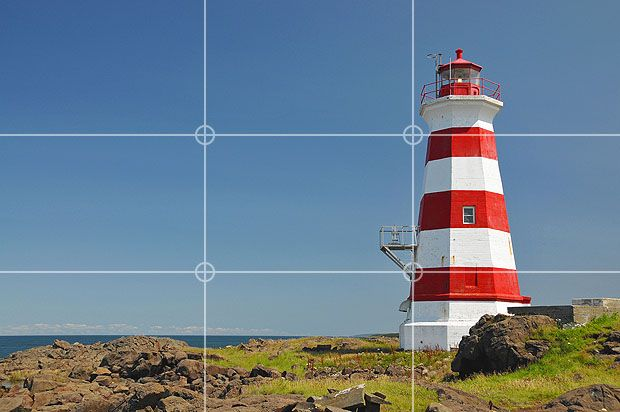
The rule of thirds is one of the most important digital art composition tips for social media posts. Divide your canvas into nine equal parts using two horizontal and two vertical lines.
Place your main subject along these lines or at their intersections. This creates a balanced and visually pleasing composition.
Focus on a Clear Subject
Always have a main focal point. Avoid cluttering your design with too many elements. A clear subject helps viewers quickly understand your artwork.
For example, if you’re designing a promotional post, the product should be the main focus, not the background.
Use Contrast Effectively
Contrast helps highlight important elements. You can use contrast in color, size, or brightness.
For instance:
- Light text on a dark background
- Large subject with smaller supporting elements
This makes your design more dynamic and easier to read.
Pay Attention to Color Harmony
Colors play a huge role in composition. Use a limited color palette to maintain harmony.
Popular color schemes include:
- Complementary colors
- Analogous colors
- Monochromatic tones
Consistent color use improves visual appeal and brand identity.
Utilize Negative Space
Negative space is the empty area around your subject. It helps reduce clutter and makes your design look clean.
One of the most overlooked digital art composition tips for social media posts is using enough breathing space. This allows your subject to stand out more effectively.
Guide the Viewer’s Eye
Use lines, shapes, and placement to direct attention. This is called visual flow.
For example:
- Diagonal lines can create movement
- Arrows or shapes can lead to text or products
This technique ensures viewers engage with all parts of your design.
Optimize Text Placement
If your design includes text, keep it readable. Use simple fonts and proper spacing.
Avoid placing text in busy areas. Instead, use solid backgrounds or overlays for clarity.
Maintain Balance
Balance can be symmetrical or asymmetrical. Both work well when done correctly.
- Symmetrical balance creates a formal look
- Asymmetrical balance feels more dynamic
Choose based on your design style and message.
Test and Adjust
Finally, always preview your design on different devices. What looks good on a desktop may not work on a mobile screen.
Make necessary adjustments to ensure your composition looks perfect everywhere.
Benefits of Digital Art Composition Tips for Social Media Posts
- Improves visual clarity and communication
- Increases engagement and shares
- Enhances brand consistency
- Makes artwork look professional
- Helps content stand out in crowded feeds
- Improves readability of text elements
- Boosts audience retention
- Supports better storytelling through visuals
Disadvantages / Risks
- Overthinking composition can slow down creativity
- Too many rules may limit artistic freedom
- Poor implementation can make designs look forced
- Ignoring platform requirements can reduce visibility
- Overuse of effects can clutter the design
- Inconsistent composition may confuse viewers
Common Mistakes to Avoid
One common mistake is overcrowding the design. Adding too many elements makes it hard for viewers to focus. Keep your composition simple and clean.
Another mistake is ignoring alignment. Misaligned elements can make your design look unprofessional. Always use grids or guides.
Poor color choices can also ruin composition. Avoid using too many bright or clashing colors.
Many beginners also neglect negative space. Filling every part of the canvas reduces clarity.
Incorrect text placement is another issue. Text should always be easy to read and well-positioned.
Lastly, not optimizing for mobile viewing is a major mistake. Most users access social media on their phones, so always design accordingly.
FAQs
What are the best digital art composition tips for social media posts?
The best tips include using the rule of thirds, maintaining balance, focusing on a clear subject, and using contrast effectively. These techniques help create visually appealing and engaging content.
How important is composition in digital art?
Composition is extremely important. It determines how viewers interact with your artwork and whether they engage with it or scroll past it.
Can beginners learn composition easily?
Yes, beginners can learn composition by practicing basic principles like alignment, balance, and spacing. Over time, these skills become intuitive.
What tools can help with composition?
Most digital art software offers grid and guide features. These tools help you align elements and follow composition rules easily.
How do I improve my social media designs?
Focus on simplicity, consistency, and clarity. Apply digital art composition tips for social media posts and analyze successful designs for inspiration.
Should I follow all composition rules strictly?
Not necessarily. Rules are guidelines, not restrictions. Once you understand them, you can experiment and develop your own style.
Expert Tips & Bonus Points
Start by studying successful social media posts. Analyze how elements are arranged and what makes them effective.
Use templates to save time and maintain consistency. Templates can also help beginners understand composition better.
Experiment with different layouts. Don’t stick to one style. Variety keeps your content fresh and engaging.
Keep your audience in mind. Design according to their preferences and expectations.
Use layering techniques to add depth. This makes your artwork more dynamic.
Stay updated with design trends. Trends can influence how compositions are perceived on social media.
Practice regularly. The more you create, the better your composition skills will become.
Conclusion
Mastering digital art composition tips for social media posts is essential for creating impactful and engaging visuals. In today’s fast-paced digital world, capturing attention quickly is crucial, and composition plays a key role in achieving that. From understanding platform requirements to applying techniques like the rule of thirds, contrast, and negative space, every element contributes to the overall effectiveness of your design.
For beginners, starting with simple principles and gradually experimenting with more advanced techniques is the best approach. Intermediate artists can refine their skills by focusing on consistency and audience engagement. Remember, composition is not just about making your artwork look good; it’s about communicating your message clearly and effectively.
By avoiding common mistakes and applying proven strategies, you can significantly improve your social media presence. Consistent practice, observation, and experimentation will help you develop your unique style while maintaining strong composition principles.
Ultimately, digital art composition tips for social media posts empower you to create content that stands out, connects with your audience, and delivers real results. With dedication and creativity, you can transform your designs into powerful visual stories that leave a lasting impression.
